There’s a lot of buzz on the Internet these days about lazy parenting. No, I’m not talking about moms who get up in the morning, put their feet up on the sofa, and just allow the house to burn down. Not at all. The term lazy mom, here, refers to the mom who doesn’t do every single thing for her children with the intention of creating children who are a bit more self-sufficient. It turns out, being a lazy mom might actually be REALLY GOOD for our kids.
So How Lazy Are We Talking Here?

Being a “lazy mom”, in positive terms, means embracing a parenting style that encourages children’s independence. It’s about allowing kids to try new things on their own, make mistakes, and learn from them. This approach teaches children valuable life skills, such as problem-solving, decision-making, and self-reliance. By not stepping in for every little task, “lazy moms” foster their children’s confidence and ability to handle challenges. This doesn’t mean neglecting them but rather giving them the space to grow and develop essential abilities.
Contrary to what the term might suggest, being a “lazy mom” doesn’t mean being lazy at all. It’s a thoughtful and intentional way of parenting that requires patience and trust in your children’s capabilities. “Lazy moms” are still deeply involved in their children’s lives, offering guidance and support when needed. They understand that stepping back sometimes allows their children to step up. This balanced approach helps children become more resilient and resourceful, preparing them for the real world. So, while the label might seem negative, it’s actually about nurturing independence and strength in children.
But I’m Their Mother. Aren’t I Supposed To Do Everything?
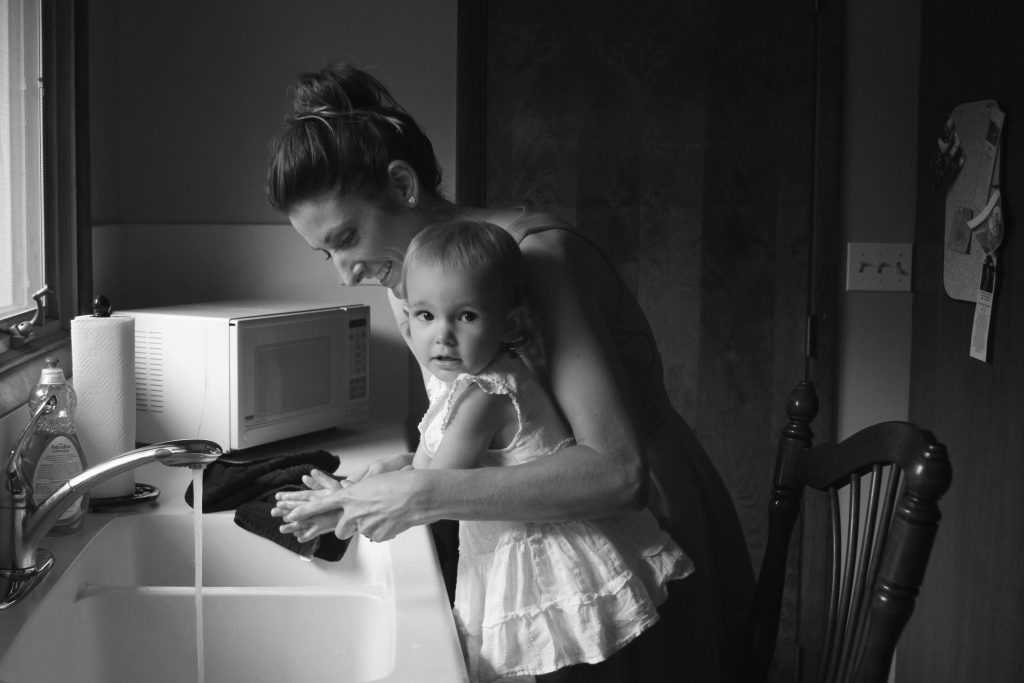
There is an old-fashioned mentality that mothers should do every little thing for their children. Besides, they are our babies, right??
Yes, they are our babies, and we’d do anything for them. But we don’t want them to grow to be adult babies.
The traditional I’ll do everything for my child mentality often stems from the belief that a mother’s role is to be entirely devoted to her children’s needs, ensuring their comfort and happiness by handling all aspects of their care. This approach suggests that a good mother is one who is always present, always available, and always taking care of even the smallest details in her children’s lives.
However, this mentality can sometimes lead to overprotectiveness and dependency. Children might struggle to develop self-sufficiency and problem-solving skills if they are constantly being catered to. Modern parenting trends, including the “lazy mom” approach, recognize the importance of allowing children to experience challenges and learn to navigate them independently. While the traditional view emphasizes nurturing and care, contemporary perspectives highlight the balance between support and independence, aiming to raise well-rounded, capable individuals.
Now let me be clear, I am 100% on board with going overboard on the love and affection side of motherhood. Mothers who are super affectionate actually raise children who become extremely confident and well-adjusted adults. There’s actual research that proves it, and you can get more into that here.
However, there’s a difference between showing vast amounts of love and doing every single thing for your child. If they drop something on the floor, let them pick it up. Teach them to clean up after themselves, do the dishes, take out the trash, etc. If they are trying to work something out, let them work at it for a bit. Don’t jump in immediately and fix the problem. That’s not doing them any favors.
Inspiration To Embrace The Lazy Mom Method
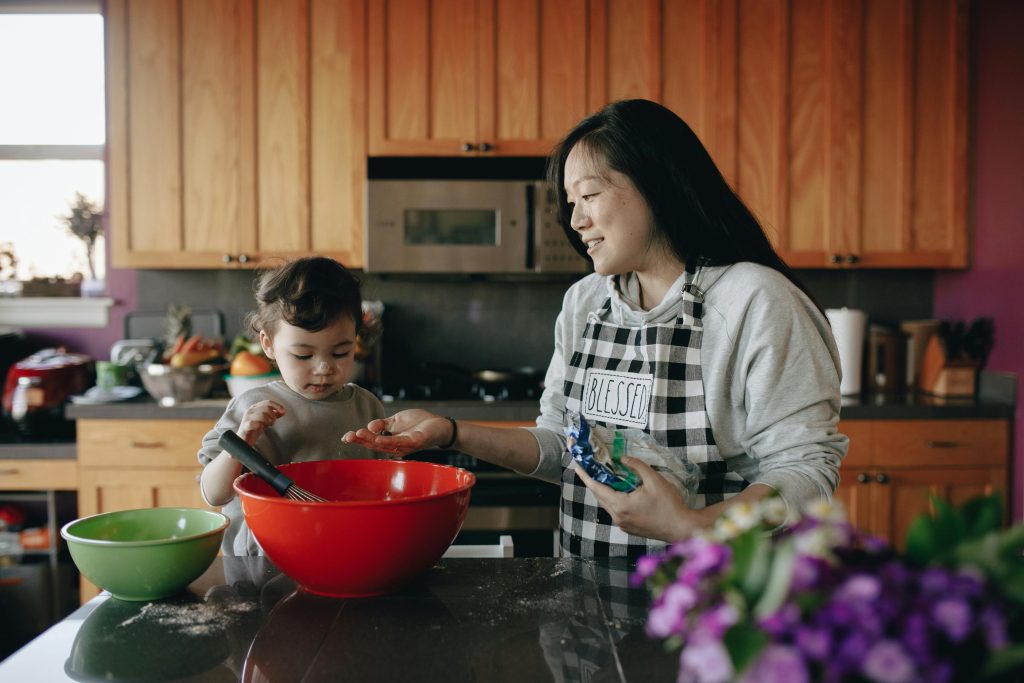
I recently stumbled across a reel (check it out below) from zi_twinmom where Aziza, mama of twins, shows her 2.5 year-old twins making breakfast completely on their own. To be honest with you, my immediate feelings were of failure. My son is 2.5 years old, and he’s definitely not making his own breakfast. I had to sit with my feelings and unpack them before I could celebrate and appreciate the point of the reel: to inspire moms to allow their children to do more.
None of our kids are at the same point in the journey. Maybe your toddler can make pancakes, while others are just now starting to play with flour and spoons. In fact, maybe your child isn’t involved in cooking at all. There’s nothing wrong with that.
The whole point here is that maybe we are doing too much for our kids because we don’t know what they are capable of or we don’t trust them. Maybe we are doing them a disservice by doing everything for them. Our children can likely do way more than we think they can. If we simply let go of the reigns just a bit, and allow them to participate in daily tasks and responsibilities, perhaps the weight of those tasks and responsibilities would not feel so heavy? Maybe.
Wait A Second. Lazy Parenting Actually Sounds Like A Lot Of Work

If it sounds like a lot of work to be a lazy parent, you’re right.
Lazy parenting isn’t lazy at all; it requires intentional effort and patience. It involves thoughtfully stepping back to let children try things on their own, even if it means they’ll make mistakes or messes along the way. It’s about creating opportunities for kids to learn essential life skills, like problem-solving and self-reliance.
Lazy parents carefully balance guidance and freedom, understanding that true growth comes from experience. It takes patience to watch children struggle and figure things out, but this process helps them build confidence and independence. So, lazy parenting is really about being present, supportive, and strategic in raising capable, resilient kids.
While it takes a lot of work and patience to teach children how to be self-sufficient, the result is 100% worth it for both mom and child.
Where The Heck Do I Even Begin?
Ok, deep breathes. Does this feel overwhelming? Let’s take a step back. We’re not trying to teach our children how to fly a plane. Let’s start very very small and go from there. This process is not meant to add more stress to your day but to create little helpers in the home that actually help carry the load.
Here are some examples of very simple tasks your toddler will quickly get the hang of:
- Putting away their toys after playtime
- Choosing their clothes and getting dressed (with some assistance)
- Brushing their teeth with supervision
- Helping set the table for meals
- Watering plants with a small watering can
- Putting their dirty clothes in the laundry basket
- Washing their hands before meals
- Helping to feed pets by scooping food into bowls
- Carrying their own small backpack
- Tidying up their play area after activities
These simple tasks not only teach responsibility but also help toddlers develop fine motor skills and a sense of independence. By encouraging them to take on these small duties when they are so young, they will be more likely to contribute as they get older. And when they are grown, their future spouse will thank you for teaching them life skills. It’s a win-win!
Check Out The Inspo Reel Here!
Please ‘SHARE’ to pass on this inspiring reel to a fellow mama!
Don’t Miss These Other Helpful Articles!
