
In a world dominated by screens and technology, teaching kids old-school skills can be incredibly rewarding. These vintage activities for children not only entertain but also impart valuable life skills. Here’s how you can incorporate these timeless activities into your child’s routine.
1. Listening to Children’s Radio Programs

Listening to children’s radio programs can be a delightful and educational experience. With many classic shows available online, you can easily find stories, songs, and educational segments perfect for children. This activity encourages listening skills, imagination, and a love for storytelling.
How to Incorporate Children:
- Morning Routine: Tune in during breakfast to make it a daily habit.
- Quiet Time: Use it as a calming activity before nap time or bedtime.
- Interactive Listening: Ask your child questions about the stories and encourage them to describe what they heard.
Check out this super cute, vintage looking radio your child will adore.
Skills Learned: Listening to radio programs enhances children’s listening skills and concentration. It fosters their imagination as they visualize the stories and characters. Additionally, it helps develop language and comprehension skills as they follow along with the narrative.
2. Canning and Preserving
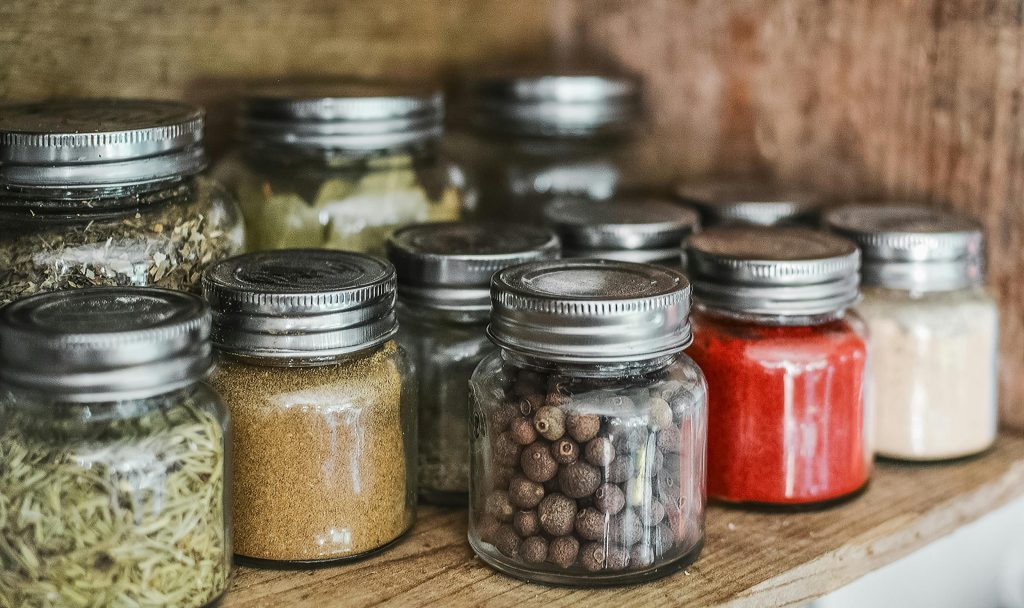
Canning and preserving food is a practical skill that can be taught early. It’s a great way to teach children about where food comes from and how to store it for later use.
Simple Canning Instructions:
- Prepare the Fruit: Wash and cut the fruit into small pieces.
- Make the Syrup: Boil water and sugar to make a light syrup.
- Fill the Jars: Pack the fruit into sterilized jars and pour the syrup over it.
- Seal the Jars: Close the jars with lids and process them in boiling water.
Child’s Role:
- Washing Fruit: Let them wash the fruit under supervision.
- Stirring Syrup: Help them stir the syrup with a spoon.
- Packing Jars: Allow them to place the fruit pieces into jars.
Skills Learned: Canning and preserving teach kids about food preparation and safety. They learn basic math skills through measuring ingredients and develop fine motor skills while washing, stirring, and packing the jars. It also fosters a sense of responsibility and introduces them to healthy eating habits.
3. String & Tin Can Telephones

Creating string and tin can telephones is a fun, hands-on activity that introduces children to basic principles of sound.
How to Make Tin Can Telephones:
- Materials Needed: Two tin cans and a long piece of string.
- Preparation: Punch a small hole in the bottom of each can.
- Assembly: Thread the string through the holes and tie knots to keep it in place.
Child’s Role:
- Decorating Cans: Let them paint or decorate the cans with stickers.
- Holding the Cans: Show them how to hold the cans and talk into them.
Skills Learned: This activity introduces kids to basic scientific concepts, such as sound transmission. It enhances their creativity and fine motor skills through decorating the cans. Additionally, it fosters communication skills and teamwork as they play and interact using the telephones.
4. Letter Writing and Mailbox Fun

Letter writing is a wonderful way to teach children about communication and the joy of sending and receiving mail.
How to Start:
- Simple Letters: Help your child draw pictures or write simple notes.
- Mailbox Fun: Create a homemade mailbox to place the letters in.
Child’s Role:
- Drawing and Coloring: Encourage them to draw pictures or color on the letters.
- Mail Delivery: Let them place the letters in the mailbox and help you “deliver” them.
Skills Learned: Letter writing enhances fine motor skills as children draw and color. It develops their language skills through writing and storytelling. This activity also introduces them to the postal system, fostering an understanding of communication and social connections.
5. Bread Making
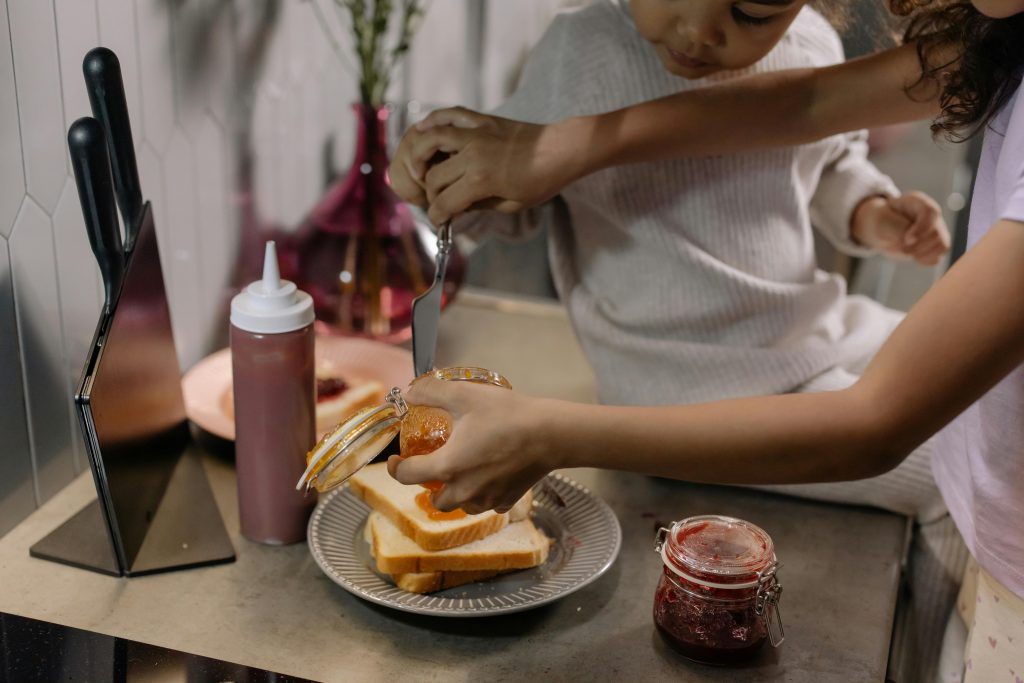
Baking bread is a sensory-rich activity that kids will love. Here’s a simple bread recipe you can make together.
Simple Bread Recipe:
- Ingredients: 3 cups flour, 1 cup warm water, 1 tbsp sugar, 1 packet yeast, 1 tsp salt.
- Instructions:
- Mixing: Dissolve yeast and sugar in warm water. Let it sit for 5 minutes.
- Kneading: Add flour and salt. Mix and knead the dough for 10 minutes.
- Rising: Let the dough rise for 1 hour.
- Baking: Shape the dough and bake at 375°F for 25-30 minutes.
Child’s Role:
- Measuring Ingredients: Let them help measure and pour the ingredients.
- Kneading Dough: Allow them to knead the dough with you.
- Shaping Bread: Encourage them to shape the dough into small rolls.
Skills Learned: Bread making teaches kids about following instructions and the science of baking. Measuring ingredients introduces basic math skills, while kneading dough enhances fine motor skills and hand strength. It also fosters patience and a sense of accomplishment as they see the bread rise and bake.
6. Gardening
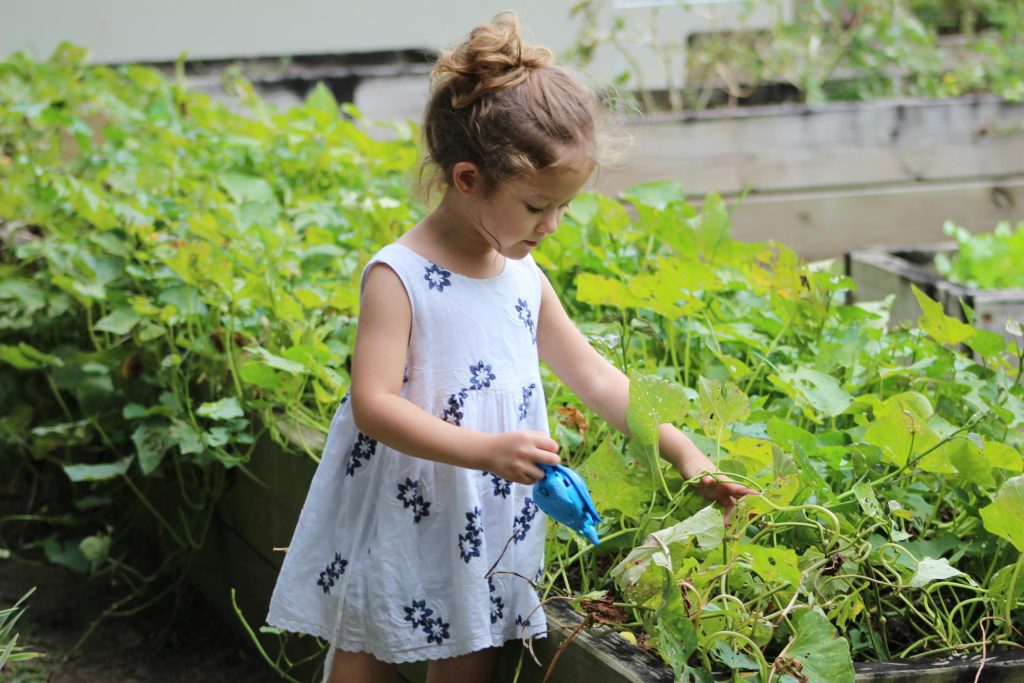
Gardening teaches patience, responsibility, and a love for nature. Children can help with many simple gardening tasks.
Steps for Gardening:
- Preparing Soil: Turn the soil and remove weeds.
- Planting Seeds: Place seeds in the soil and cover them lightly.
- Watering: Water the plants regularly.
Child’s Role:
- Digging Holes: Let them dig small holes for the seeds.
- Planting Seeds: Show them how to place seeds in the holes.
- Watering Plants: Give them a small watering can to water the plants.
Skills Learned: Gardening teaches kids about plant life cycles and the importance of caring for living things. It develops fine motor skills through digging and planting. This activity also fosters patience, responsibility, and a connection to nature, encouraging healthy outdoor activity.
7. Sewing

Sewing simple projects can be a fun way to introduce children to this valuable skill.
Simple Sewing Projects:
- Button Sewing: Practice sewing large buttons onto fabric.
- Felt Shapes: Sew felt shapes together to make small pillows or toys.
Child’s Role:
- Choosing Materials: Let them choose buttons and fabric.
- Threading Needle: Help them thread a large, blunt needle.
- Sewing: Guide their hands as they sew simple stitches.
Skills Learned: Sewing enhances fine motor skills, hand-eye coordination, and creativity. It teaches patience and concentration as kids work on their projects. This activity also fosters problem-solving skills and introduces them to the basics of textile work.
I found this adorable felt sewing kit that is perfect for littles and includes plastic needles. If you’re wondering where to begin, this is a great option. These lacing cards are also perfect for younger children who might not be quite ready for a plastic needle.
8. Cooking Simple Recipes
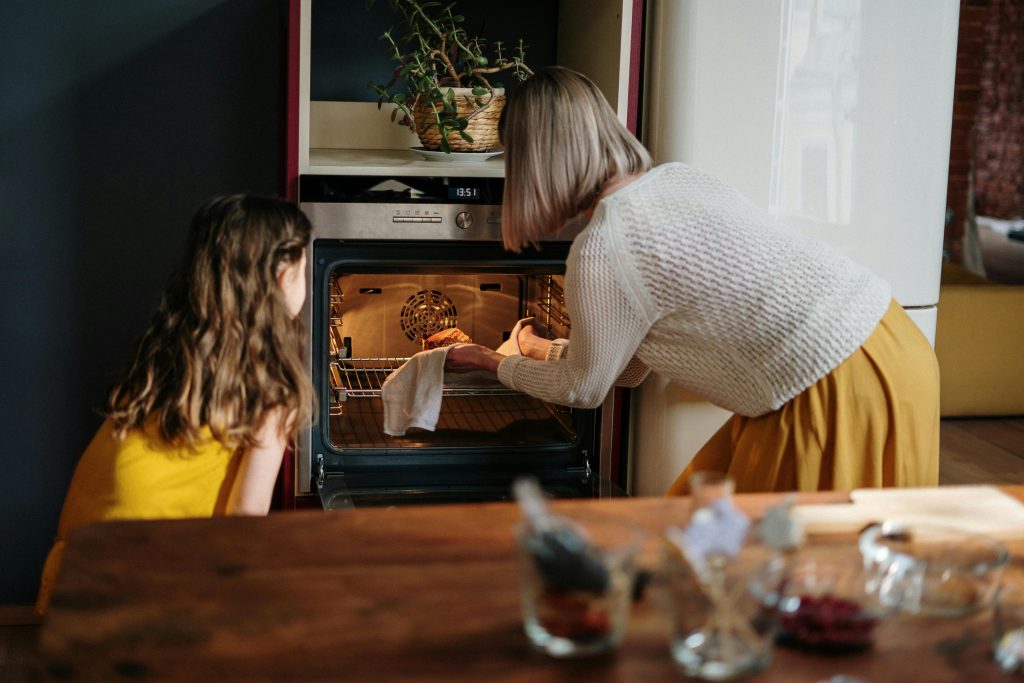
Cooking teaches kids about food and nutrition. Here are two simple recipes you can make together.
Fruit Salad:
- Ingredients: Various fruits like bananas, apples, and berries.
- Instructions:
- Cutting: Cut the fruit into small pieces.
- Mixing: Mix the fruit in a bowl.
Child’s Role:
- Washing Fruit: Let them wash the fruit.
- Cutting Fruit: Using a Montessori kitchen set, allow them to cut various fruits into chunks.
- Mixing: Allow them to mix the fruit in the bowl.
Mini Pizzas:
- Ingredients: English muffins, tomato sauce, cheese, and toppings.
- Instructions:
- Preparation: Spread sauce on muffins, add cheese and toppings.
- Baking: Bake at 375°F for 10 minutes.
Child’s Role:
- Spreading Sauce: Let them spread the sauce on the muffins.
- Adding Toppings: Encourage them to add cheese and toppings.
Skills Learned: Cooking enhances fine motor skills through tasks like washing and mixing. It teaches basic math and science concepts through measuring and understanding ingredients. This activity also promotes healthy eating habits, teamwork, and following instructions.
9 Homemade Soap Making

Making soap at home can be a creative and educational activity.
Simple Soap Recipe:
- Ingredients: Melt-and-pour soap base, essential oils, and soap molds.
- Instructions:
- Melting: Melt the soap base according to package instructions.
- Adding Scents: Add a few drops of essential oil.
- Pouring: Pour the mixture into molds and let it cool.
Child’s Role:
- Choosing Molds: Let them choose the soap molds.
- Mixing: Help them stir the melted soap and essential oils.
- Pouring Soap: Guide them in pouring the mixture into the molds.
Check out this all natural starter kit that includes everything needed for the soap making process.
Skills Learned: Soap making introduces kids to basic chemistry concepts. It enhances fine motor skills through stirring and pouring. This activity also fosters creativity as they choose molds and scents, and teaches them about cleanliness and hygiene.
Conclusion
Incorporating these vintage activities into your child’s routine not only provides them with hours of entertainment but also imparts valuable life skills. From the joy of listening to classic children’s radio programs to the hands-on experience of making bread or planting a garden, these activities foster creativity, patience, responsibility, and a host of other essential skills. Embrace the charm and wisdom of old-school activities and watch your child thrive as they learn and grow through these timeless experiences.
