Is it just me, or is there more and more pressure placed on children to learn more, learn faster, learn better?! From the moment they are born, there’s talk of milestones, standards, and more. I challenge that hyper-drive attitude towards children, and propose we put less pressure on academics and more focus on other things that will actually sustain your children when they become adults. Wondering what those things are? Well, let’s get into it!
First Things First
Before I get into the things you should be teaching your little ones, I must note that I’m a former preschool/early childhood educator. Academics and education are so important. I know that. However, when children are so young, there should be no pressure to learn academic principles. They will learn how to count, how to spell, etc. It will happen, I promise.
Before 5 years of age, children are incredibly influential. Use that time to teach them what really matters. I’ll get to those things in a bit, but first, let’s look at some important information.
Why You Should Hold Off On Intense Academics
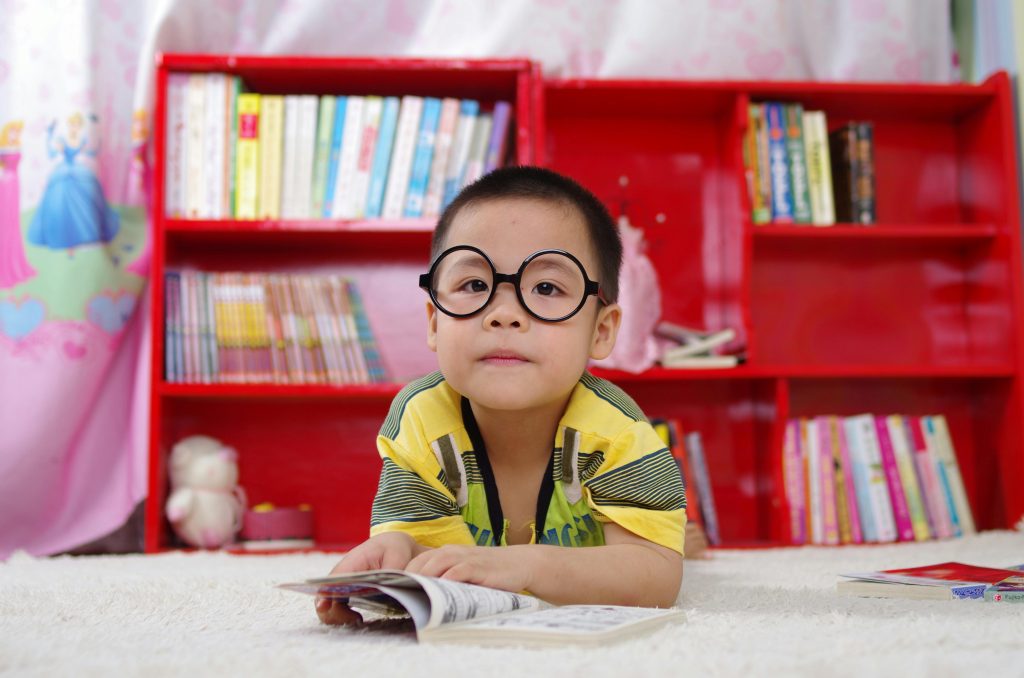
There has been a growing body of research examining the impact of early academic instruction on young children. Some studies and experts suggest that there can be downsides to intense academic focus in early childhood education. Here are some key points from the research:
- Developmental Appropriateness: Research indicates that early childhood is a critical period for developing social, emotional, and physical skills, which can be overshadowed by intense academic instruction.
- Stress and Anxiety: Introducing rigorous academic expectations too early can lead to increased stress and anxiety in young children. Studies have found that children exposed to high academic pressure may experience negative emotional and behavioral outcomes.
- Impact on Long-Term Academic Achievement: Some research suggests that early academic pressure does not necessarily translate into long-term academic success. For example, a study by the Alliance for Childhood found that children who engaged in play-based learning in preschool performed better academically in the long run compared to those who experienced early formal instruction.
- Creativity and Critical Thinking: Early academic pressure can stifle creativity and critical thinking.
- Social Skills: Social development can be hindered by a strong focus on academics. Young children learn crucial social skills through interactions during play, which can be reduced if academic instruction takes precedence.
Several prominent voices in early childhood education advocate for a balanced approach that prioritizes play, social interaction, and physical activity alongside age-appropriate academic learning. For example, the American Academy of Pediatrics recommends play-based learning as essential for healthy development in young children.
Some Convincing Research
- Alliance for Childhood Report (2009):
- The report “Crisis in the Kindergarten: Why Children Need to Play in School” by the Alliance for Childhood highlights that pushing academics in early childhood can lead to stress, anxiety, and a reduction in creative and critical thinking abilities.
- Gesell Institute Study (2010):
- A study by the Gesell Institute for Human Development found that children who engage in play-based preschool programs exhibit better social skills, emotional regulation, and overall academic performance in the long term compared to those who experienced early formal academic instruction.
- American Academy of Pediatrics (AAP):
- The AAP stresses that young children learn best through play and that early academic pressure can lead to behavioral issues and a reduction in the development of social skills.
- Cambridge Primary Review (2009):
- This comprehensive review of primary education in the UK found that an early emphasis on academics can lead to a narrowing of the curriculum and less time for creative and exploratory learning. It recommended delaying formal academic instruction until age 6 or 7.
- Research by Dr. Peter Gray:
- Dr. Peter Gray, a research professor at Boston College, has written extensively about the importance of play in early childhood. His research suggests that play is crucial for the development of cognitive, social, and emotional skills and that early academic pressure can undermine these developmental processes.
- Swedish Study (2003):
- A study conducted in Sweden found that children who started school at age 7, after a period of play-based preschool, outperformed their peers who started formal education earlier. The study suggested that a later start to formal academics allows for better preparation and readiness for school.
These studies collectively highlight the importance of play and developmentally appropriate practices in early childhood education. They suggest that formal academic instruction before age 5 can have several downsides, including increased stress, reduced social and emotional development, and long-term academic disadvantages.
The ABC’s Never Got Me Through A Rough Time
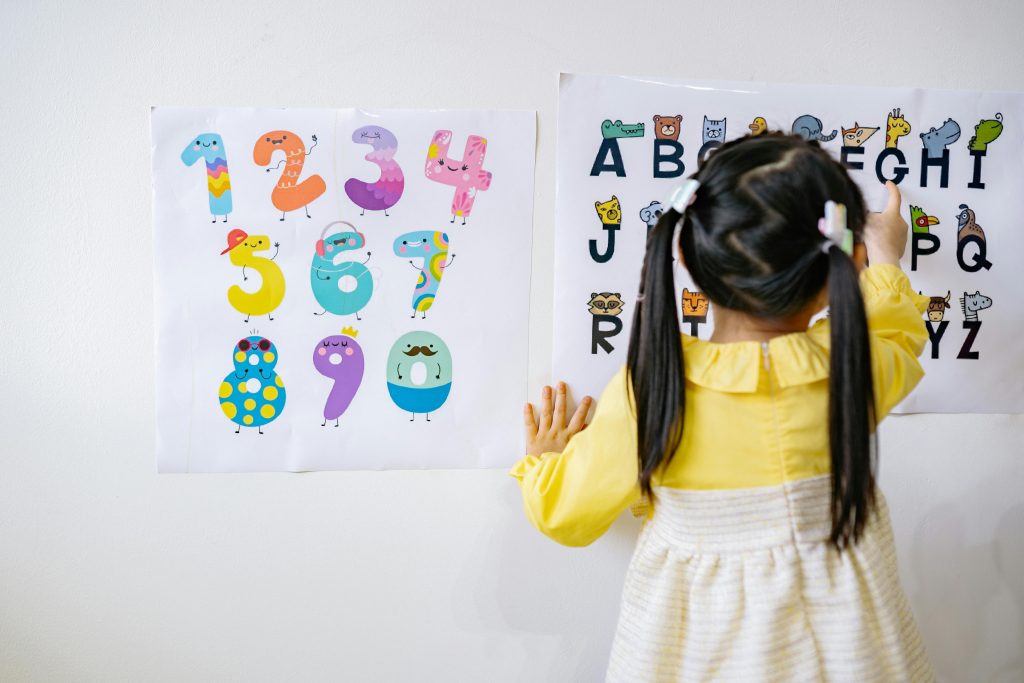
I want you to think about some tough times you’ve had in your life. When things got particularly hairried, what did you do?
I can almost guarantee you didn’t recite the ABC’s or do math equations in your head (unless you do those things to calm down).
In fact, most of the things we learn in school aren’t utilize in our everyday life. That’s not to say we shouldn’t learn the things we learn; that’s a topic for another article. The point here is that the things we learn generally aren’t helping us cope in life.
In fact, there’s some data that proves many adults feel the same way.
- A YouGov survey of over 2,000 adults in the United States found that 55% of respondents felt that they used less than 50% of what they learned in school in their daily lives. The survey highlighted that subjects like mathematics and science were often cited as areas where much of the content learned was not regularly applied.
- A Gallup survey in 2014 found that only about 25% of adults strongly agreed that they use the information learned in school in their everyday lives. This suggests that a significant majority of people feel that much of the academic content from their education is not directly applicable to their daily routines.
So What REALLY MATTERS?
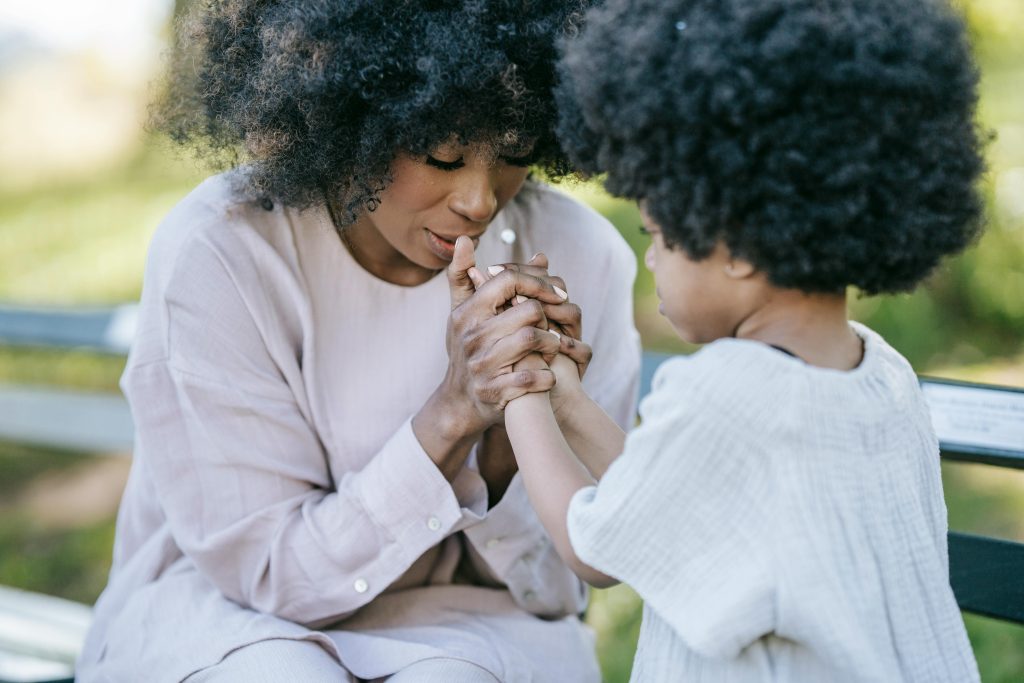
Ok, so now that we know rigorous academic preparation at a young age is not really beneficial to children and does not guarantee acceptance into Harvard, what should we focus on?
If you want your child to prosper, thrive, and excel in life, equip them with tools that actually matter:
- How To Pray!
- Truths From The Bible
- How To Cultivate A Relationship With Jesus
- Inspiring Stories From Heroes Of The Faith
- Stories Of Miracles
- Their Authority As A Child Of God
- How To Worship
- How To Express Gratitude To God
When I was young, my parents instilled in me a love of the Word, how to pray, the importance of weaving gratitude into my life, and how to call on the name of Jesus when things got rough. And, let me tell you, those are the skills that have helped me the most in life. I am forever grateful to them for equipping me with such valuable tools, the foundational life skills that really matter.
Check Out These Amazing Articles!

2 thoughts on “Forget The ABC’s, Teach Your Kids THIS Instead”