It’s pretty common knowledge these days that food dyes are not great. If you are trying to avoid them, the info in this article is super important. The food dye names you traditionally look for on packages are changing to a new name. So don’t be fooled. Rather, take a few moments to educate yourself so you know what names to look for in the near future.
A Short History of Food Dyes
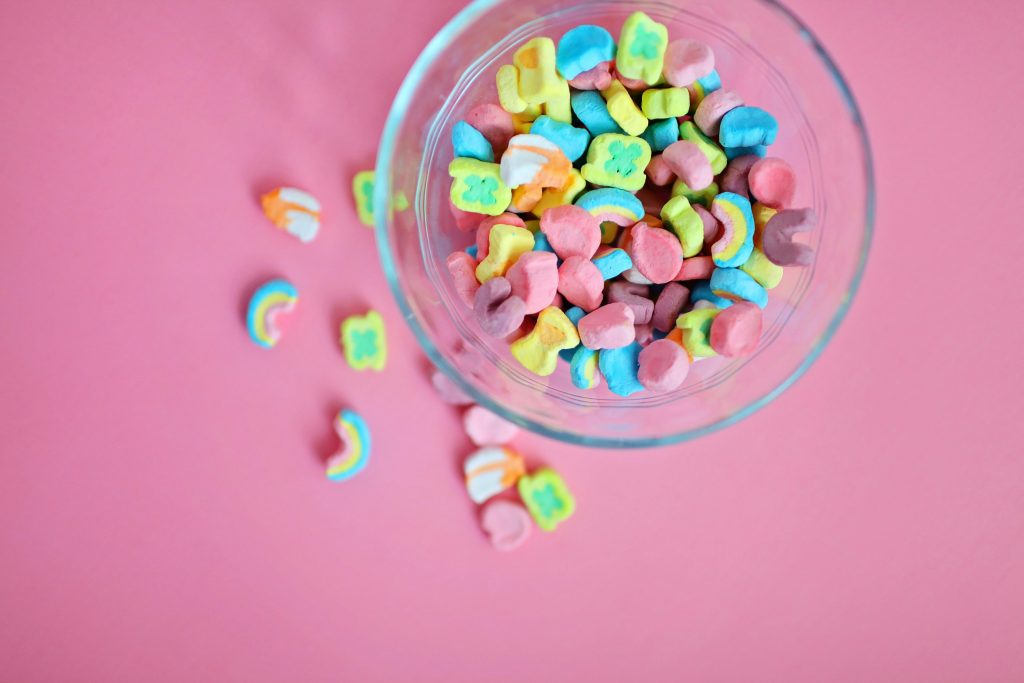
Food dyes have been used for centuries, but synthetic dyes began to appear in the late 19th century. Originally, food coloring came from natural sources like plants and minerals.
However, as the industrial revolution progressed, scientists developed synthetic dyes from coal tar and other chemicals. These artificial dyes were cheaper, brighter, and more stable than their natural counterparts, making them appealing to food manufacturers. By the early 1900s, synthetic dyes were widely used to enhance the color of candies, baked goods, and beverages.
As the popularity of processed foods grew in the mid-20th century, so did the use of synthetic dyes. These dyes were used to make foods look fresher and more attractive, helping to drive consumer sales.
However, concerns about the safety of these dyes have existed for decades. In response to these concerns, the U.S. government began regulating food dyes in the 1930s, with the Federal Food, Drug, and Cosmetic Act of 1938. This act established safety guidelines for the use of color additives in foods, ensuring that only certified dyes could be used. Despite these regulations, debates about the safety of synthetic food dyes continue today.
What’s the Big Fuss About Dyes?
Food dyes are widely used to make foods more colorful and appealing, especially for children.
However, studies have shown that synthetic dyes like Red 40, Yellow 5, and Yellow 6 may cause health problems in children. These dyes are linked to allergies, hyperactivity, and behavioral issues. Some research even suggests a potential link between these dyes and cancer. Due to these concerns, many parents and health experts advocate for reducing children’s exposure to synthetic food dyes and opting for natural alternatives whenever possible.
California has taken a significant step by passing a law to ban certain food dyes in public school foods by 2027. This law includes Red 40, Yellow 5, Yellow 6, Blue 1, and Blue 2. The ban aims to reduce children’s exposure to potentially harmful chemicals and promote safer food alternatives.
California’s decision is inspiring similar legislative actions in other states, such as Missouri, Washington, New York, and Illinois, which are also considering bans on synthetic food dyes. These efforts reflect a growing movement to prioritize children’s health and ensure the safety of food products consumed by the youngest members of our society.
What’s the Harm?

You might be wondering what possible side effects can come with the consumption of food dyes. Take a look at the following list of known possible dangers of ingesting these dyes:
- Red 40: hyperactivity, allergies, and various types of cancer
- Red 3: thyroid cancer and chromosomal damage
- Yellow 5: hyperactivity, chromosomal damage, and thyroid tumors
- Yellow 6: hyperactivity and kidney/adrenal gland tumors
- Green 3: bladder and testes tumors
- Blue 1: hyperactivity, chromosomal damage, kidney tumors, and asthma
- Blue 2: hyperactivity, chromosomal damage, and brain/bladder tumors
The New Names
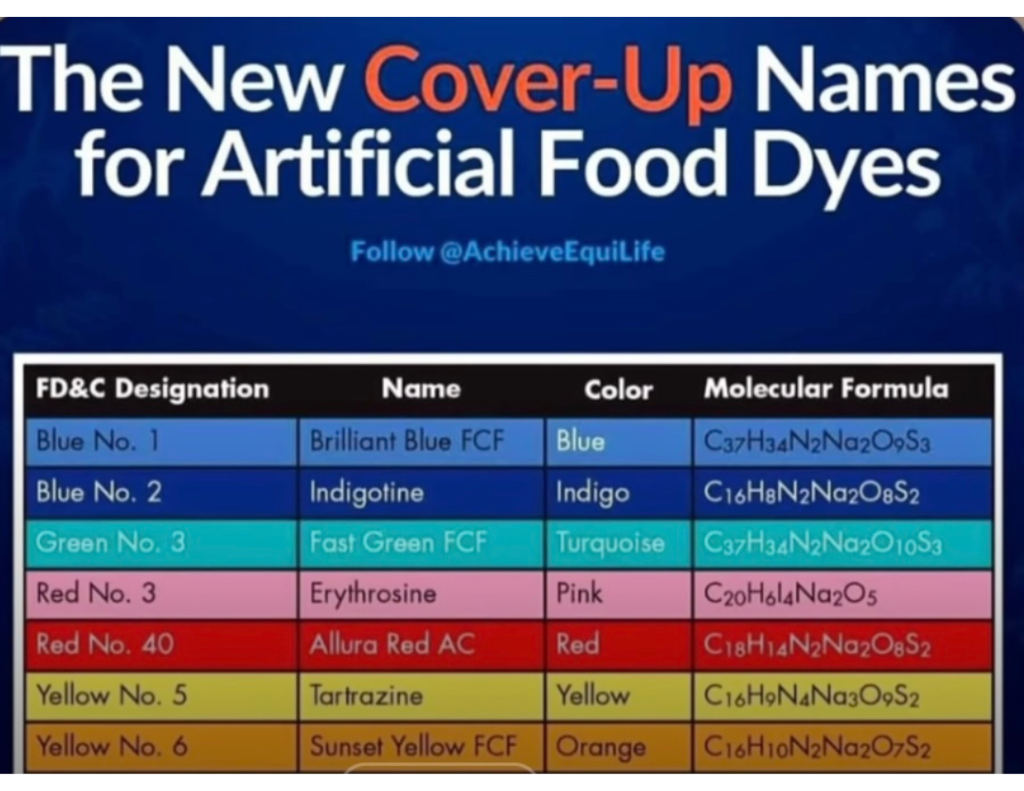
Up until now, it’s been easy to spot the usual suspects on food labels, however, things will be changing, and THIS is the info you want to write down or take a photo of. The following list of names will be used on food labels, so please take note!
- Blue No. 1 will be labeled as Brilliant Blue FCF
- Blue No. 2 will be labeled as Indigotine
- Green No. 3 will be labeled as Fast Green FCF
- Red No. 3 will be labeled as Erythrosine
- Red No. 40 will be labeled as Alurra Red AC
- Yellow No. 5 will be labeled as Tartrazine
- Yellow No. 6 will be labeled as Sunset Yellow FCF
For Those Who Like an Audio/Visual
Check Out These Other Articles!

1 thought on “Avoiding Food Dyes? What You Need to Know About NEW FOOD LABELS”