
Hi mama. Before my husband and I decided to start trying for a baby, I really had no idea what was ahead of me. I guess I just figured that the journey would be pretty straightforward: decide to have a baby, have lots of sex, get pregnant, have a baby. Easy, right? Unfortunately, our journey was not so easy, and I learned 4 painful realities of fertility and pregnancy loss…the hard way.
Here’s what you’ll find in this guide:
- Fertility Education Is Severely Lacking
- The Painful Realities Of Fertility And Pregnancy Loss
- How Do We Normalize The “Abnormal”?
Fertility Education Is Severely Lacking

I don’t know how kids are taught about the birds and the bees today in school, but when I was in school, pregnancy education was lame. Granted, I went to a very small Christian school and was told that if I so much as looked at a boy, I’d become pregnant. They just wanted to scare us into a lifetime of celibacy, I think. I know I can’t assume every school was doing a crap job at explaining very important biological processes, but from what I’ve heard from other women who attended public schools, it doesn’t seem like they were getting great info either.
I hope, for the sake of women everywhere, that the education system has upped its game massively and better prepares girls for the possible hardships of fertility and pregnancy loss they may face.
All I know is that my knowledge of fertility, pregnancy, miscarriage, infertility, etc, was severely lacking. I learned the hard way. After two back-to-back losses, I realized that what I had been taught was a bunch of crap. While pregnancy and babies might come so easily for some women, I know there are a heck of a lot of us who had to FIGHT for our rainbow babies.
To be honest with you, I’ve been avoiding writing about this topic for a long time. It’s not fun to talk about pregnancy loss. It brings up all of the pain and emotion I’ve worked so hard to process through. But if we don’t share our stories and talk about these things, we are only feeding the problem and perpetuating the lack of knowledge.
So here we go.
The Painful Realities Of Fertility And Pregnancy Loss
Fertility crap and pregnancy loss consumed my life before we had our rainbow baby. I had two losses within the span of a year, the first of which was a second trimester loss. That first loss altered my pregnancy lens beyond repair, and it took us two years before we held our rainbow. Nothing else mattered in those two years. I was obsessed with having a baby.
The losses altered my entire pregnancy experience, though. This might sound horrible, but if you’ve experienced loss, you’ll understand. After those two losses, pregnancy, in my mind, meant death was looming. It’s morbid, but I think you could probably understand why I felt that way.
Thankfully, death wasn’t the only part of my story, and we did manage to keep trying until we had our beautiful rainbow baby boy. Regardless of my rainbow, I still don’t trust the process of pregnancy. I’ve learned 4 hard lessons concerning fertility and pregnancy loss.
Pregnancy Doesn’t Always Happen Quickly
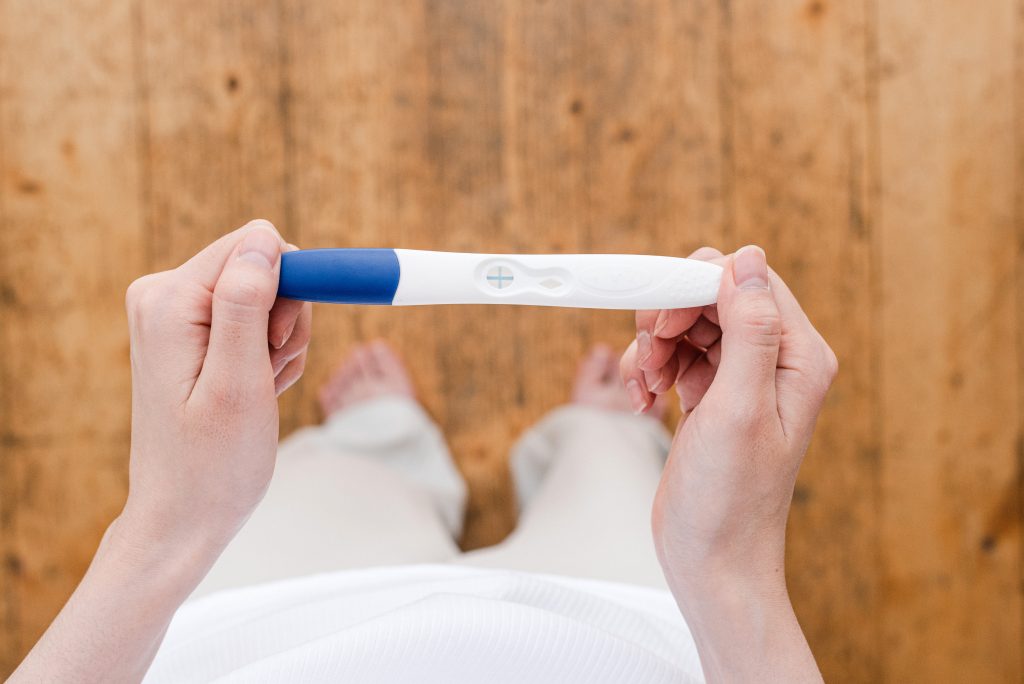
The first hard truth I learned about fertility was that pregnancy doesn’t always happen quickly.
Getting pregnant isn’t like going to an ATM. You can put the card in the machine, but if there’s no money in the machine, you ain’t getting any money. Does that analogy even make sense? I’ll let you determine what the card represents in this case.
Here’s the point: becoming pregnant doesn’t always happen quickly. In fact, according to the CDC, almost 20% of women aged 19- 49, who’ve not had prior births, don’t get pregnant within a year of trying. That’s 1 in 5 women. That’s a crazy high number of women who struggle with infertility.
When I first got pregnant, I was SHOCKED when it happened in the first month. Being 38 at the time, I wasn’t even sure if I could get pregnant. So that was an absolute shocker. Sadly, we lost that baby in the 17th week of pregnancy.
The second time around, it took 6 months to become pregnant. By the 6th month, I had convinced myself that my body was broken, and I’d never become pregnant again. Like I said before, my extremely backward sexual education in junior high-school had me believing that if I so much as glanced at a boy, I’d have a baby in my belly. So 6 months felt like an eternity, and I was sure there was something wrong with me.
FYI, 6 months is quite normal, especially as you get older.
We lost the second baby in an early missed miscarriage, which means the baby stopped growing and had no heartbeat, but I didn’t physically miscarry until a few weeks later. That one was hard but not nearly as emotionally difficult as the first loss. I think I kind of expected to lose the baby. After you have a loss, the brain really gets whacky when you get pregnant again.
The third go at pregnancy also happened quickly for us. We took a 3 month break after our second loss, and when we started trying again, it only took us a month to get pregnant. I understand that is definitely not everyone’s story, so I’m beyond grateful it happened quickly for us. Still, I was terrified to lose that baby as well and actually expected to. It’s a miracle he’s here.
My issue wasn’t so much with the getting pregnant part, but more so with the staying pregnant and actually having a baby part.
Becoming Pregnant Doesn’t Mean You’ll Have A Baby

When we first became pregnant in 2020, I was really caught off guard. I will never forget the feeling I had when I first saw the positive pregnancy test. I was pretty terrified, but the biggest part of me was so excited to be a mommy.
It’s pretty common knowledge that the first 12 weeks of pregnancy are the most uncertain, but after the 12-week mark, I think a lot pregnant mommies breathe a sigh of relief. I sure did.
Unfortunately, the journey wasn’t sealed and secure for us. I won’t go into the details here about our 17-week loss, but that event was the most heartbreaking thing I’ve ever experienced in my life. It wasn’t supposed to happen that way. We made it past the 12-week mark. Everything was supposed to be fine.
That experience marked me. Having a subsequent loss also taught me the very hard lesson that just because you become pregnant doesn’t mean you will be holding a healthy baby at the end of 9 months. That’s not a guarantee.
I hate that I have that realization now, but I know I’m not alone in my experience.
I also don’t want to be all doom and gloom here. It is quite likely that you will have a healthy baby at some point, so don’t give up.
1 in 4 Women Experience Miscarriage
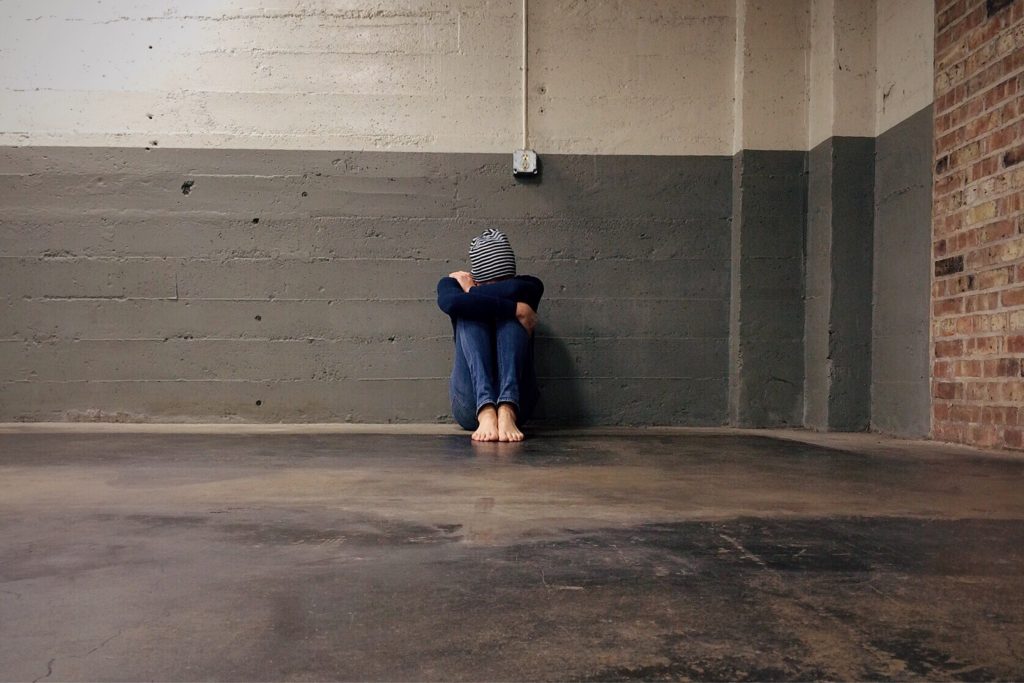
1 in 4 women have experienced a miscarriage.
You may have already heard that statistic, but I never heard it before my own losses. When I read it online one day, it actually angered me.
If miscarriage was so common, why aren’t we more educated about it, and why didn’t I learn more about it in school?
This takes me back to the lack of education aspect. We didn’t have one conversation in biology class about the chances of pregnancy loss or talk about what happened when a woman experienced a miscarriage.
There’s a physical process that occurred when my body processed the losses. My babies didn’t just disappear. That kind of discussion never took place in biology class, and I never thought about it. I didn’t have to until it was my own reality.
While I had heard about women experiencing miscarriage, I never imagined it would happen to me. Miscarriage was something that happened to other people, not me.
How silly of me to think I was exempt from such an experience. The losses really humbled me, and I felt more human than I ever had before.
The even crazier thing was that after I had my first loss, countless friends approached me on social media and shared their own stories of pregnancy loss. I was shocked. It’s highly likely that you have friends who have been through loss, and you don’t even know about it. I was just pretty vocal about my losses. If not, none of my friends would have known, and I wouldn’t have known about their losses either.
Most Infertility And Pregnancy Losses Are Unexplained

Here we are in the 21st century, and fertility and pregnancy loss remain a great mystery.
The most frustrating part of the losses for me was that no doctor could give me an exact reason why they had happened. Most miscarriages are unexplained. You would think we’d be a little further along in our abilities to pinpoint why miscarriages happen by now, but we’re pretty clueless.
I had all the tests done, all the bloodwork drawn. Nothing was wrong. The doctor told me to just keep trying. It was truly one of the most hopeless experiences I’d ever been through. My faith was the only thing that sustained me and gave me courage to keep moving forward in our fertility journey.
To be honest with you, I don’t know if having a reason for the losses would have helped me. I guess I just wanted to know what the problem was so I could fix it. But even if I knew why things were happening, it doesn’t guarantee that there would be a way to fix it. There are so many factors that play into pregnancy, fertility, baby growth, etc. There are also about one million things that can go wrong in the process, so pin-pointing one exact reason is nearly impossible.
Miscarriage and fertility issues can feel so hopeless. I know that very well. If you are going through it right now, I see you mama. You’re not alone.
How Do We Normalize The “Abnormal”?

Having a healthy, full term baby is normal. Having a miscarriage is also normal.
So how do we normalize what feels so abnormal? Honestly, I’m not totally sure.
Talking about my personal heartbreak with other women who’d also been through it was so helpful to me. At the same time, I felt a ton of shame. If we continue to feel shame in the area of loss, women won’t want to discuss it.
We’ve got to create open conversation and education about the very common and normal event of pregnancy loss. While it’s impossible to take away the grief, we can at least create safe space for women to share their journey with others, free from feelings of shame and judgment.
No matter how we approach the topic, it just sucks. Pregnancy loss is hard, and that’s about all I know for sure.
Just know that you’re definitely not alone in this journey, mama. I see you, and I know the pain you’ve experienced.
If you do need someone to share your own story with, I’m always here. Send me a message in the contact page or share your story below so we can begin to normalize what so many consider to be abnormal. Sending lots of love to you, mama.
Be Sure To Check Out These Other Articles:
6 Valid Reasons For Having Just One Child
6 Simple Practices That Crush Mom Comparison
