
It’s no secret that screen time is not the best for our little ones, but the battle for “just one more show” is REAL. Today’s article is going back to old-school basics. I’ve got one trick you can implement TODAY that will decrease screen-time.
First, let’s look at some interesting statistics. As if we don’t already know screen time is not that great, I like to throw in some research to the mix. It adds fuel to the fire!
This post may contain affiliate links. That means we may make a small commission on items purchased through links in this post at no extra cost to you.
Screen-Time Through the Decades

Screen time has increased significantly over the past few decades, reflecting both technological advancements and changes in media consumption habits.
In the 1980s and early 1990s, screen time was primarily associated with television viewing, with children typically spending around 2-3 hours a day in front of the TV. During this period, TV was the dominant screen-based activity, as personal computers were not yet common in households, and mobile devices were virtually nonexistent. However, the introduction of video game consoles in the 1980s began to diversify the types of screens children interacted with, adding to the overall screen time.
The 2000s marked a turning point with the rapid rise of the internet, the proliferation of personal computers, and the advent of smartphones and tablets.
By 2010, average screen time among children and adolescents had jumped to approximately 6-7 hours per day, encompassing television, video games, computer use, and, increasingly, mobile device usage. The launch of streaming services, social media platforms, and mobile apps further accelerated this trend.
According to recent studies, by the early 2020s, screen time had surged to an average of 7-9 hours per day for children and teens, with some groups, particularly adolescents, spending even more time on digital devices. This dramatic increase reflects not only the growing availability of screens but also their integration into nearly every aspect of daily life, from education to socialization to entertainment.
Behavior Related Data

The rise in screen time has raised concerns about its impact on children and adolescents. Excessive screen time is linked to various behavioral issues, such as decreased attention span and increased aggression.
Studies show that children who spend more than two hours a day on screens are more likely to develop ADHD symptoms. They are also at higher risk of anxiety and depression.
Excessive screen time is also associated with disrupted sleep, worsening behavioral problems, and negatively affecting academic performance and well-being.
The type of content consumed during screen time greatly influences behavior. Exposure to violent or inappropriate content can increase aggression and desensitize children to violence. Social media use is linked to cyberbullying, social comparison, and body image concerns. Digital media’s immersive nature also reduces opportunities for physical activity, social interaction, and creative play, which are vital for healthy development.
As screen time continues to increase, it’s crucial for parents and caregivers to monitor and manage both the quality and quantity of screen exposure. This can help prevent negative outcomes and encourage a balanced lifestyle for children and adolescents.
A Personal Turning Point

Now that we have some interesting and powerful data at our fingertips, let’s look at a more personal experience.
When my son turned 2, I allowed him to have some screen time. To be honest, at the time, I needed it. I had no time to get work done, do things around the house, or just BREATHE! Being a mom without any help can be so incredibly overwhelming, especially when your littles aren’t yet able to play independently. I 100% understand the need for screen time.
However, within a couple of month’s time, things really started to go south. My son began having more tantrums than usual, started asking for his shows whenever he felt any negative emotion, and bed-time started to become a major issue. He just wanted more and more screen time.
It’s important to note, bed-time has never been an issue for my son. I don’t have a strict bed-time for him, so he goes to sleep when he’s sleepy. It’s never a fight. But things started to change, and the only difference in our day was the addition of screen-time. He would just cry and cry at night, begging for his shows. He was even talking about them in his sleep!
It got so bad, my husband and I both looked at each other one night after bed time and said, “The tv has to go.” That night, I put the tv in the closet, told my son it was broken in the morning, and we haven’t turned back since. The change we saw in him literally overnight was astonishing. We immediately knew we made the right decision for our family.
It wasn’t easy at first, but eventually, he stopped asking for it. It’s the best thing we could have done. The insane tantrums also stopped. He still has tantrums because he’s a toddler human, but they are not nearly as bad.
The One Trick to Decrease Screen-Time
A few months into our screen free journey, he made a request for one of his shows. It had been a long time since he watched it, so I had a long think about it. And that’s when I had the most BRILLIANT idea.
What if we did screen time WITHOUT the screen??
I remembered how much I loved listening to kids programming on the radio when I was a kid, and wondered if I could do the same thing with my son?
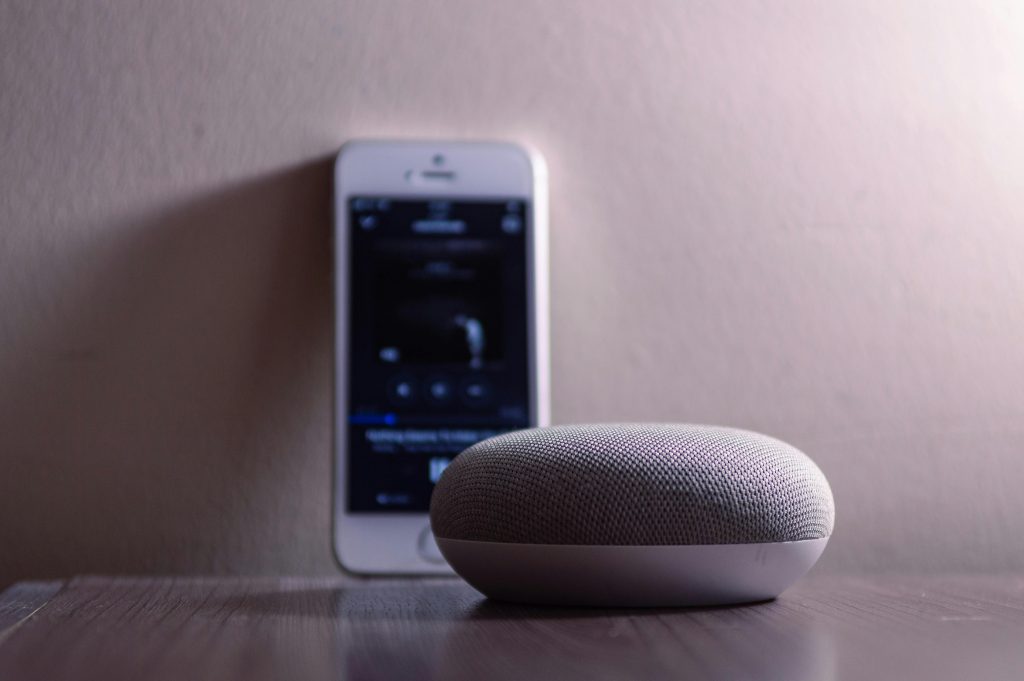
I had a look on iTunes and found Peppa stories. We started listening, and my son was SO excited. I then took things a step further and started adding the shows he used to love but only on the speaker so he can listen. We use this portable speaker that connects to my phone, and I play the shows from my phone.
He LOVES it and now asks to listen to things on the speaker.
The best part of all? Tantrums have not increased at all. Bed time has not become an issue. For whatever reason, it’s the addition of the screen that was really causing problems. Listening to the shows has caused zero negative behaviors.
It’s working for us, so we are going to continue screen-free for as along as possible. I hope it gives you a little reprieve from the screen, too!
Check Out These Other Articles!
