We’ve all heard the saying, “It takes a village to raise a child.” But what happens when there is no village? Today, most of us are mothering without a village. This article will provide you with validation that what you are doing is HARD WORK while also offering some solutions on how to build your own village.
Today’s Reality

Once upon a time, mothers didn’t do this alone. They had grandmothers, aunts, and neighbors helping every step of the way. In many cultures, women still raise children together. In villages around the world, a baby is never just one mother’s responsibility. There are extra hands to hold the baby, extra voices to offer wisdom, and extra hearts to share the burden.
But here? Here, many of us are mothering alone.
Our families live miles away. Our friendships feel stretched thin. We wake up, handle everything, and collapse at the end of the day, wondering how to keep going. This is not how motherhood was meant to be.
Many of us have been forced to make choices we never expected. We send our children to daycare when we wish we could keep them home. We pay for help because there’s no one else to lean on. We juggle it all, not because we want to, but because we have to.
Motherhood without a village is exhausting. It’s lonely. And yet, somehow, we keep showing up.
Because that’s what mothers do.
The Reality of Mothering Without a Village

Motherhood without a village is a never-ending to-do list. There’s no one to tag in when you need a break. Every meal, every diaper change, every bedtime routine—it’s all on you.
You wake up before the sun because little feet come running. You pour your coffee while answering a hundred questions before 8 a.m. The house is never quiet. The laundry is never done. And when the day finally winds down, there’s no one to hand off the mental load to.
No one to say, “I’ll take the baby so you can rest.” No one to swing by with a meal when you’re too exhausted to cook. No one to remind you that you’re doing a good job when the doubt creeps in.
Instead, we push through. We hold the weight of our family on our shoulders. We schedule playdates just to have some form of adult conversation. We search for connection online because finding it in real life feels impossible.
And when we do ask for help? It’s met with silence. “Well, you chose to stay home.” Or worse, “Why don’t you just hire a nanny?”
But not everyone has the extra money. Not everyone has family nearby. Not everyone has a friend who truly understands the depth of this loneliness.
So we do what moms do best—we keep going. We love hard. We pour everything we have into our children, even when we’re running on empty.
But the truth is, it’s not supposed to be this way.
The Hidden Toll: Emotional, Physical, and Psychological Impacts of Mothering Without a Village

Motherhood is often portrayed as a joyous journey, but when mothering without a village, it can become an overwhelming endeavor. The absence of a “village” not only amplifies daily challenges but also profoundly affects a mother’s well-being.
Emotional Strain
Lack of support can lead to feelings of isolation and loneliness. A recent advisory by U.S. Surgeon General Dr. Vivek Murthy highlighted that 65% of parents feel lonely, with nearly half reporting overwhelming stress. This emotional burden can escalate into postpartum depression, especially when compounded by inadequate social networks. Studies have shown that insufficient support increases the risk of postpartum depression, affecting a mother’s ability to bond with her child.
Physical Exhaustion
Without assistance, mothers often juggle multiple roles, leading to chronic fatigue. The relentless cycle of caregiving, household chores, and, for many, professional responsibilities, leaves little room for rest. This continuous strain can weaken the immune system, making mothers more susceptible to illnesses.
Psychological Challenges
The mental load of managing a household single-handedly can be overwhelming. Mothers may experience heightened anxiety, decision fatigue, and a constant sense of inadequacy. The lack of a support system means there’s no one to share concerns with, leading to increased stress levels. In rural areas, this issue is exacerbated by limited access to mental health services, leaving many mothers isolated and without necessary care. theguardian.com
The Erosion of Traditional Support Systems
Historically, extended families and close-knit communities provided the necessary support for child-rearing. However, societal shifts have led to the erosion of these traditional networks. In the United States, 80% of single-parent homes are headed by single mothers, highlighting the increasing number of women navigating motherhood without a partner. This shift underscores the growing need for alternative support systems.en.wikipedia.org
The Modern “Village”
Recognizing the challenges, many mothers are redefining their support networks. A survey revealed that today’s parents engage an average of seven individuals in their support system, often relying on friends and peers rather than extended family. This modern “village” plays a crucial role in alleviating some of the burdens associated with solo parenting. nypost.com
Mothering without a village is a multifaceted challenge that affects emotional, physical, and psychological health. Addressing this issue requires societal recognition and the development of robust support systems to ensure the well-being of mothers and their children.
The Impact on Children: Growing Up Without a Village

When mothers carry the full weight of parenting alone, the effects ripple out to their children. Kids may not realize it, but they feel the impact of a mother stretched too thin.
Emotional Effects on Children
Children thrive on emotional connection. But when a mother is overwhelmed, constantly exhausted, and mentally drained, it becomes harder to be fully present. Studies show that high parental stress can negatively affect a child’s emotional regulation and behavior.
Without a village, children may also lack exposure to different caregivers who can provide additional love, attention, and stability. In traditional settings, grandparents, aunts, uncles, and close family friends would step in, offering unique relationships that shape a child’s emotional development. Without this, children may miss out on valuable perspectives and bonds.
Increased Anxiety and Attachment Challenges
Children with highly stressed parents may develop anxiety themselves. Research suggests that parental stress and loneliness can lead to increased anxiety symptoms in young children.
Additionally, without other trusted caregivers, children may struggle with separation anxiety. When mom is the only source of comfort, even small separations—like attending preschool or staying with a babysitter—can feel overwhelming.
Limited Social Interaction and Independence
In cultures where the “village” still exists, children play together in groups, learn from various adults, and develop independence early. Without a built-in support system, many children have fewer opportunities for organic socialization. They may not have cousins nearby or neighborhood friends to run outside with. Instead, socialization often depends on structured playdates or organized activities, which require extra effort from already exhausted moms.
Additionally, kids who rely solely on one parent for attention and entertainment may struggle to entertain themselves. In contrast, children raised with multiple caregivers often learn to navigate different social dynamics and develop independence earlier.
Missing Out on Wisdom from Multiple Generations
Grandparents, aunts, uncles, and older family members traditionally play an essential role in passing down values, traditions, and life lessons. They offer wisdom that a mother, especially an exhausted one, may not always have the energy to impart.
A study on multigenerational caregiving found that children who grow up with extended family involvement tend to have stronger cultural identities and a deeper sense of belonging.
The Pressure to “Be Everything”
Mothers who are mothering without a village feel an enormous pressure to be everything—the playmate, the teacher, the cook, the emotional anchor. But no one was designed to do it all alone. When a mother is forced to wear every hat, her exhaustion can spill over into her child’s experience of daily life.
Children pick up on stress. They sense when mom is struggling, even if she tries to hide it. This can lead to guilt, where children feel responsible for their mother’s happiness. Research has shown that children of overwhelmed parents may develop people-pleasing tendencies or struggle with emotional boundaries later in life.
Rebuilding the Village: Finding Support in a World That Expects Moms to Do It Alone
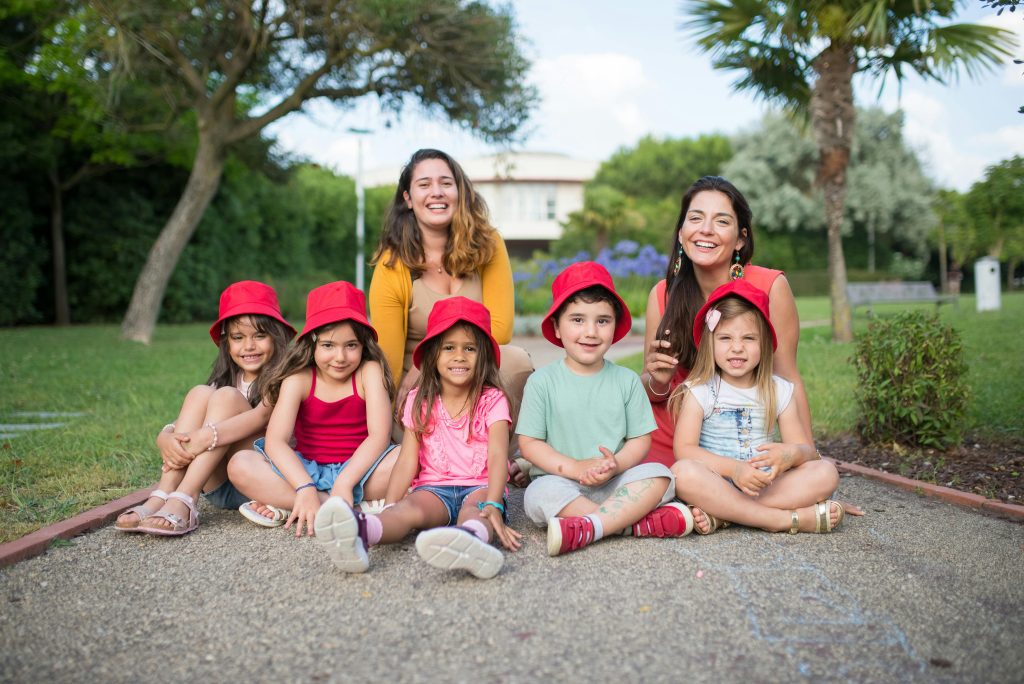
The truth is, our society isn’t set up for mothers to thrive. We were never meant to raise children in isolation, yet here we are—exhausted, overwhelmed, and trying to be everything for everyone.
But if the village isn’t naturally there, we have to build it.
1. Creating Your Own Village
Even if family isn’t nearby, there are ways to cultivate a support system:
- Find Other Moms in the Same Season – Whether it’s a local mom group, a church community, or an online space, connecting with other moms can provide emotional relief. Sometimes, just knowing someone else understands can make all the difference.
- Trade Help With Other Moms – If hiring help isn’t an option, consider swapping babysitting or playdates with a trusted friend. A few hours of solo time can be life-changing.
- Join or Start a Childcare Co-Op – Some communities offer co-op-style childcare, where parents take turns watching each other’s kids. It’s a free way to build support while giving kids social interaction.
- Be Vulnerable and Ask for Help – This is hard, but people often want to help—they just don’t know how. If you have friends or neighbors who’ve offered, take them up on it.
2. Shifting Society’s Expectations of Mothers
While individual efforts help, the bigger issue is that mothers are expected to function without support. To create lasting change, we have to push for better systems:
- Normalize the Need for Help – We need to talk openly about the fact that mothering alone isn’t sustainable. Sharing real struggles breaks the illusion that every mom should be able to “handle it all.”
- Advocate for Parental Support Policies – Many countries offer paid family leave, subsidized childcare, and stronger parental support systems. The U.S. lags behind in these areas. Moms can support policies that prioritize families through voting, advocacy groups, and local initiatives.
- Encourage Intergenerational Support – In some cultures, it’s expected that grandparents or extended family help raise children. Encouraging a return to these values—whether within families or through community programs—can relieve some of the burden.
3. Finding Small Wins in the Chaos
Even in the hardest seasons, there are ways to make life more manageable:
- Lower the Bar – If you are mothering without a village, there’s no shame in keeping things simple. Paper plates? Great. Extra screen time on hard days? Surviving is enough.
- Find Tiny Joys – A special snack after bedtime, a five-minute prayer in the car, a moment to breathe. Small moments of peace matter.
- Let Go of Mom Guilt – If you’re doing this alone, you’re already doing more than enough. Your love is what your child needs most—not perfection.
We Weren’t Meant to Do This Alone
Mothering without a village is hard—harder than anyone admits. I see you, mama. I AM you. But you’re not failing. You’re not weak. You’re doing the work of an entire community.
Still, no mother should have to do this alone. It’s time we change the conversation. It’s time we rebuild the village.
