
When you look at your toddler, do you see mayhem or creative genius? You might see mayhem, but after reading this article, you’ll likely have a completely different take on your toddler’s wild ways. If NASA says your toddler is a creative genius, you might want to listen.
Today’s article contains the following:
- What Does Creative Genius Even Mean?
- A Pivotal Study
- Is Education Draining Creativity?
- How Can We Preserve Creativity?
What Does Creative Genius Even Mean?

What are we talking about when we say creative genius?
Creative genius simply means being really good at thinking up new, cool stuff that can change the world. Creative geniuses are innovative and can think outside the box.
Leonardo da Vinci was one of these geniuses. He was amazing at painting, like with the “Mona Lisa,” and he also came up with smart ideas about science and engineering.
Then there’s Marie Curie. She was super smart and figured out a lot about how things work at the tiniest level. Her discoveries about radioactivity have helped us in lots of ways, like in medicine and understanding atoms.
And let’s not forget Steve Jobs. He was the guy behind Apple and made gadgets like iPhones and iPads. He was awesome at making technology that was easy to use and looked really cool. His ideas changed how we live and use computers every day.
A Pivotal Study
The following information may very well blow your mind and completely change how you view your little human.
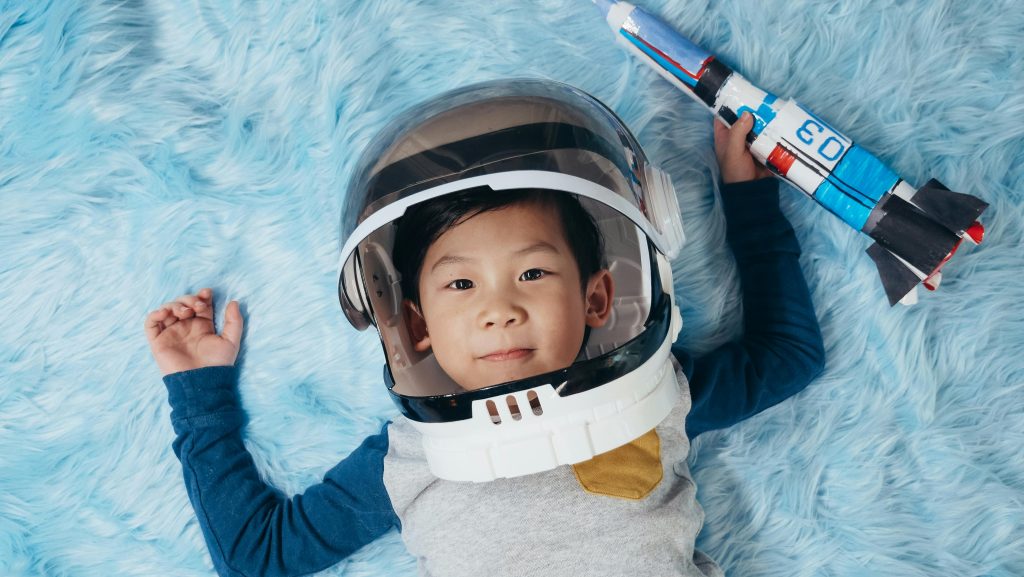
In the 1960s, psychologist George Land and his colleague Beth Jarman were approached by NASA to develop a test to identify creative individuals. NASA was seeking innovative thinkers to join their team for the rapidly evolving space program. Inspired by this challenge, Land and Jarman embarked on a journey to understand the essence of creativity and its development.
Their study focused on preschoolers aged 4-5, aiming to uncover the natural creativity inherent in young children. They believed that by understanding how creativity manifests at a young age, they could gain insights into fostering creativity in individuals of all ages. The researchers designed a series of tasks to assess various aspects of creative thinking, such as divergent thinking, imagination, and problem-solving skills.
The findings of the study were remarkable. Initially, 98% of the preschoolers scored at the “genius” level in terms of creativity, demonstrating an impressive capacity for innovative thinking and imagination. This high percentage highlighted the inherent creative potential present in young children. However, as Land and Jarman continued to track the same group of children over the years, they made a startling discovery.
Over time, the children’s creativity scores declined significantly. By age 10, only 30% tested as creative geniuses. At age 15, 12% were labeled as a creative genius. By the time they reached adulthood, only 2% of them retained their creative genius status. YIKES.
This decline raised questions about the factors influencing the development and expression of creativity as individuals grow older. Land and Jarman’s study shed light on the importance of nurturing and preserving creativity throughout childhood and beyond, highlighting the need for educational and societal environments that encourage and support creative thinking. Check out another article about this study HERE.
Is Education Draining Creativity?
So what exactly does all of this mean?
Well, to understand things further, I need to introduce you to a man named Sir Ken Robinson.
Sir Ken Robinson was a British author, speaker, and educator known for his expertise in creativity, innovation, and education. He was a prominent advocate for reimagining education systems to prioritize creativity and individuality. Robinson’s TED Talk, “Do Schools Kill Creativity?” became one of the most-watched TED Talks of all time, sparking global conversations about the need for educational reform.
Sir Ken Robinson’s TED Talk, “Do Schools Kill Creativity?” challenges how we think about education. He believes that schools focus too much on subjects like math and language and not enough on encouraging kids to be creative. Robinson thinks this approach stops children from exploring their interests and coming up with new ideas.
According to Robinson, schools often expect all kids to learn the same way and follow strict rules. Tests and rules can make kids scared to try new things or think differently. This means they might miss out on finding what they’re really good at and passionate about.
Robinson says it’s important for schools to change. In today’s world, being able to think creatively and adapt is super important. He thinks schools should help kids discover their talents and encourage them to be creative in their own way. That way, everyone can find what they love doing and be successful.
According to Robinson, the education system is draining creativity from our brains. And it seems as though he could be right. If you look at the NASA study, the percentage of children testing as creative geniuses rapidly declined as the children when through the school system.
How Can We Preserve Creativity?
So the big question we have here is: How the heck can we preserve creativity in our children? How can we ensure that our creative genius toddlers grow to become creative genius adults?
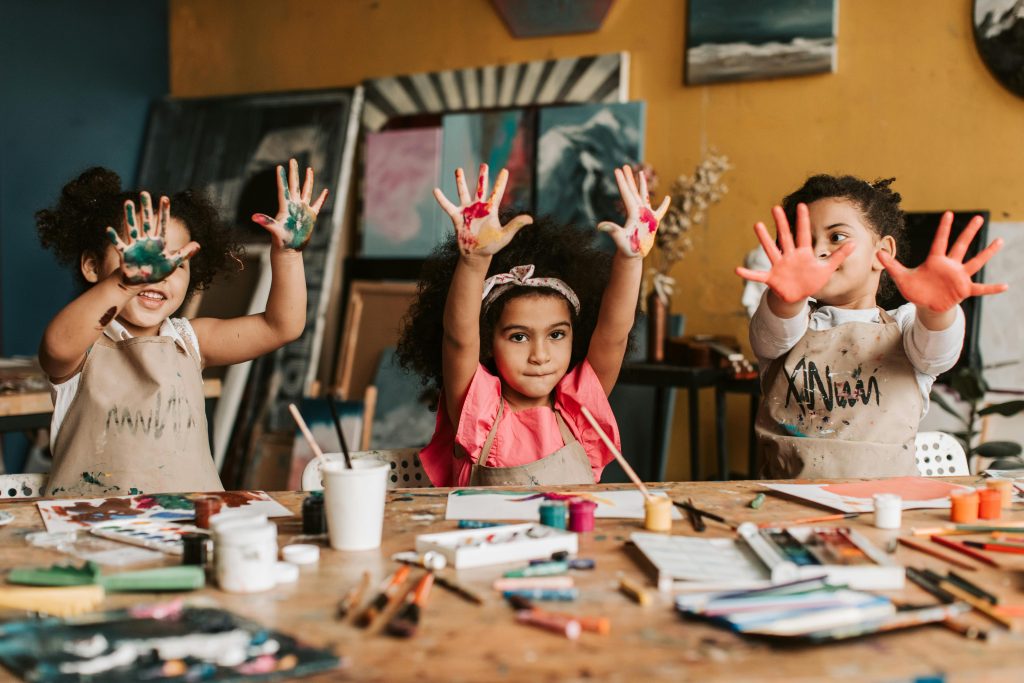
Preserving creativity in kids looks like letting them explore and play freely. Parents and teachers can help by giving them plenty of chances to use their imagination, try new things, and figure stuff out on their own. When kids can follow what they’re interested in, they learn to think in cool and creative ways.
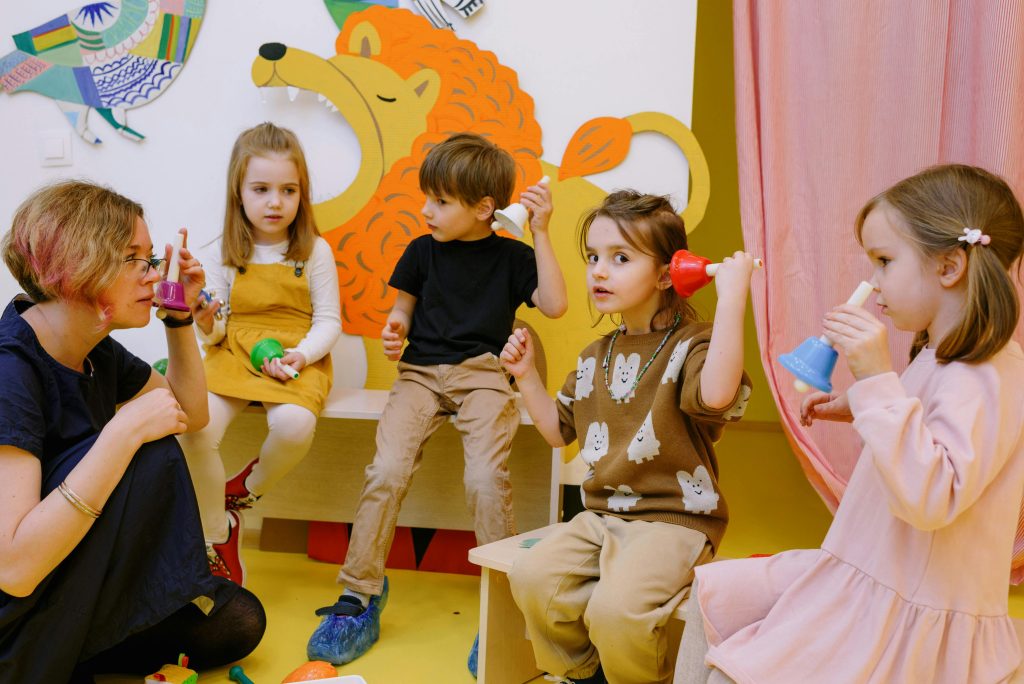
Adding fun stuff like art, music, and drama to school lessons can also help keep creativity alive. Mixing different subjects together and letting kids work on projects with their friends can make learning more exciting. When kids get to be creative in all parts of their education, they become better problem-solvers and come up with awesome ideas for the future.
There’s so much pressure put on academics and performance, and it seems to be backfiring. Maybe it’s time to back off a bit and let our children freely express and embrace the natural creative genius that lives inside their little brains.
Your toddler is a creative genius. Let’s keep it that way!
Check Out These Other Articles!
Pipe Cleaner Cereal Threading Activity For Toddlers
DIY Magnetic Tile Puzzles For Toddlers: Personalized Edition

1 thought on “Is Your Toddler A Creative Genius? NASA Thinks So”